

When Is It Time to Get a New Roof?
Highlights
- Recognizing Key Warning Signs: Aging materials, curling or missing shingles, widespread granule loss, and persistent interior water stains indicate that simple repairs are no longer sufficient.
- Proactive Structural Protection: Replacing an outdated system shields your home’s decking, insulation, and foundation from compounding water damage, rot, and mold growth.
- Planning for Timeline and Investment: Understanding installation variables helps homeowners budget accurately and prepare for an efficient installation process.
Your home's roof stands as the primary defense against the elements, shielding your living space from heavy rains, scorching heat, high winds, and winter storms. However, because it remains out of sight for most homeowners, it often stays out of mind until serious problems arise. Over time, continuous exposure to severe weather naturally degrades even the most durable materials. Knowing when to transition from basic maintenance to a complete replacement can save you thousands of dollars in secondary structural damage.
Recognizing the subtle and obvious warning signs of an aging overhead structure is essential for responsible property ownership. Investing in a timely roof replacement eliminates the anxiety of unexpected leaks while improving your home's energy efficiency, curb appeal, and overall property value. Understanding the critical indicators helps you determine when it is time to schedule a professional evaluation.
Asphalt Shingle Curling, Buckling, and Blistering
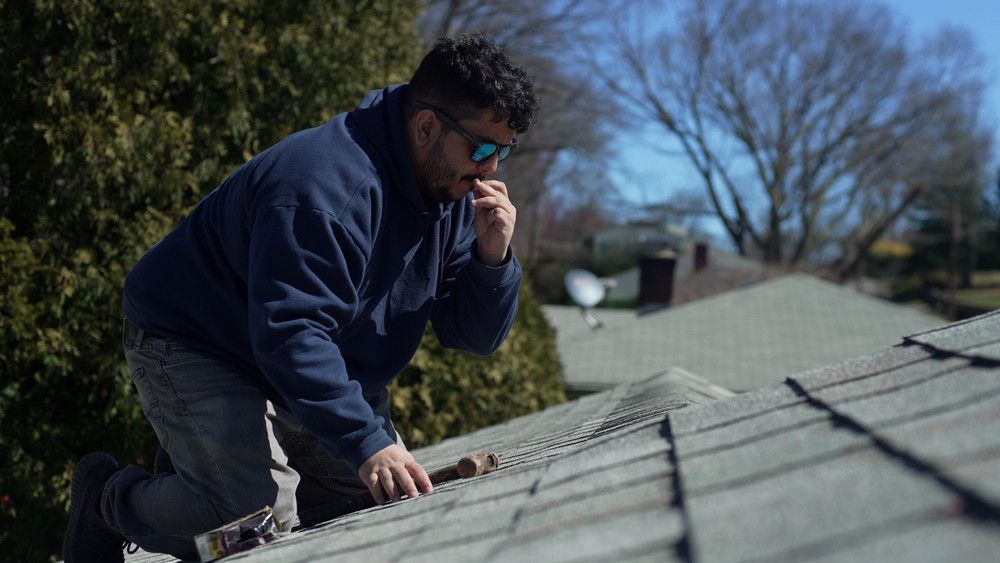
Shingles should lie flat against your decking to form a watertight seal. When shingles begin to curl upward at the edges (cupping) or turn up in the middle (clawing), they have lost their flexibility and adhesion. Extreme attic heat or age causes the asphalt binder to dry out, making the shingles brittle and susceptible to wind blow-offs. Buckling shingles, which look like wavy distortion running vertically up your roof slopes, often indicate trapped moisture beneath the underlayment or warped roof decking.
Widespread Granule Loss in Gutters
Asphalt shingles are coated with mineral granules that protect the underlying petroleum-based material from damaging ultraviolet rays. While minor granule shedding is normal on brand-new roofs, finding heavy deposits of dark sand in your gutters or at the base of downspouts is a clear sign of advanced age. As the granule layer thins, the bare asphalt underneath becomes exposed to direct sunlight, accelerating decay and cracking.
Missing Shingles and Exposed Fasteners
While losing one or two individual shingles after a severe windstorm can usually be fixed with a localized repair, widespread missing pieces indicate systemic failure. When aging sealant strips fail across large sections of your home, entire tabs detach easily. Leaving underlying decking or nail heads exposed directly to rainfall creates immediate pathways for moisture intrusion.
Internal Indicators and Structural Warning Signs
Not all signs of roof failure are visible from your yard. In many cases, internal symptoms inside your living quarters or attic reveal significant moisture accumulation long before exterior shingles appear completely ruined.
Water stains on your ceilings or running down interior walls are classic indicators of an ongoing leak. Dark rings, bubbling drywall, and peeling paint suggest that water is penetrating the outer barrier, flowing along structural rafters, and pooling above your living areas. Ignoring these interior warning signs allows water to ruin your insulation and foster hazardous mold colonies inside wall cavities.
Attic Daylight Penetration and Damp Insulation
Your attic provides an unvarnished view of your home's structural health. Step into your attic space on a bright day with the lights turned off. If you see rays of sunlight passing through the roof boards, water can easily follow those exact same pathways. While you are upstairs, inspect your insulation. Damp, compacted, or musty-smelling insulation points to chronic condensation or subtle leaks originating from deteriorated flashings or roof penetrations.
Age and Lifespan Considerations by Material
Every building material operates on a finite lifespan. Even if your roof shows no obvious signs of leaking, its absolute age serves as a strong guideline for replacement planning. According to our experts, here are some common roof materials and their lifespans:
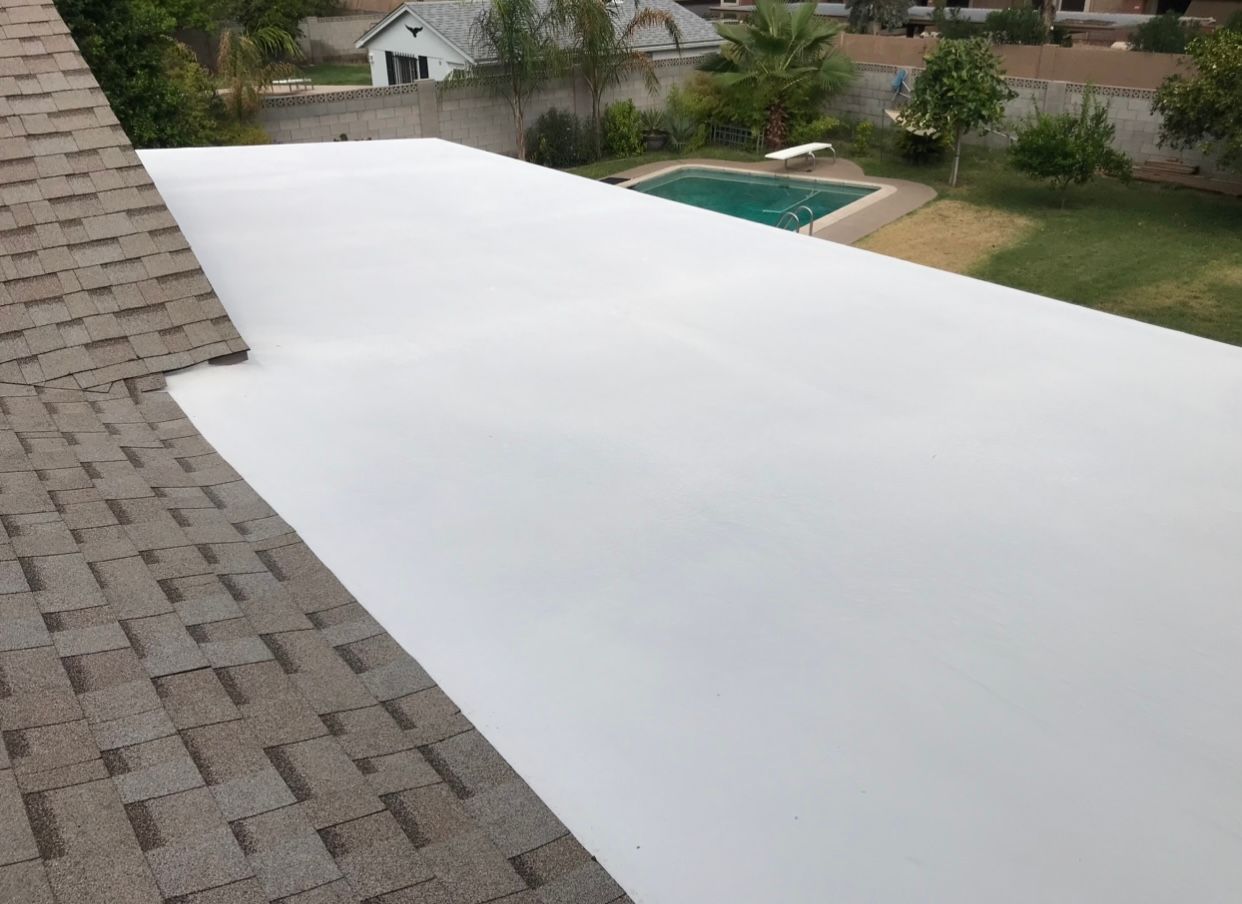
- Standard 3-Tab Asphalt Shingles: Generally last 15 to 20 years under normal weather conditions before widespread degradation occurs.
- Metal Panel Systems: Deliver exceptional longevity, often serving homes for 40 to 70 years with minimal maintenance requirements.
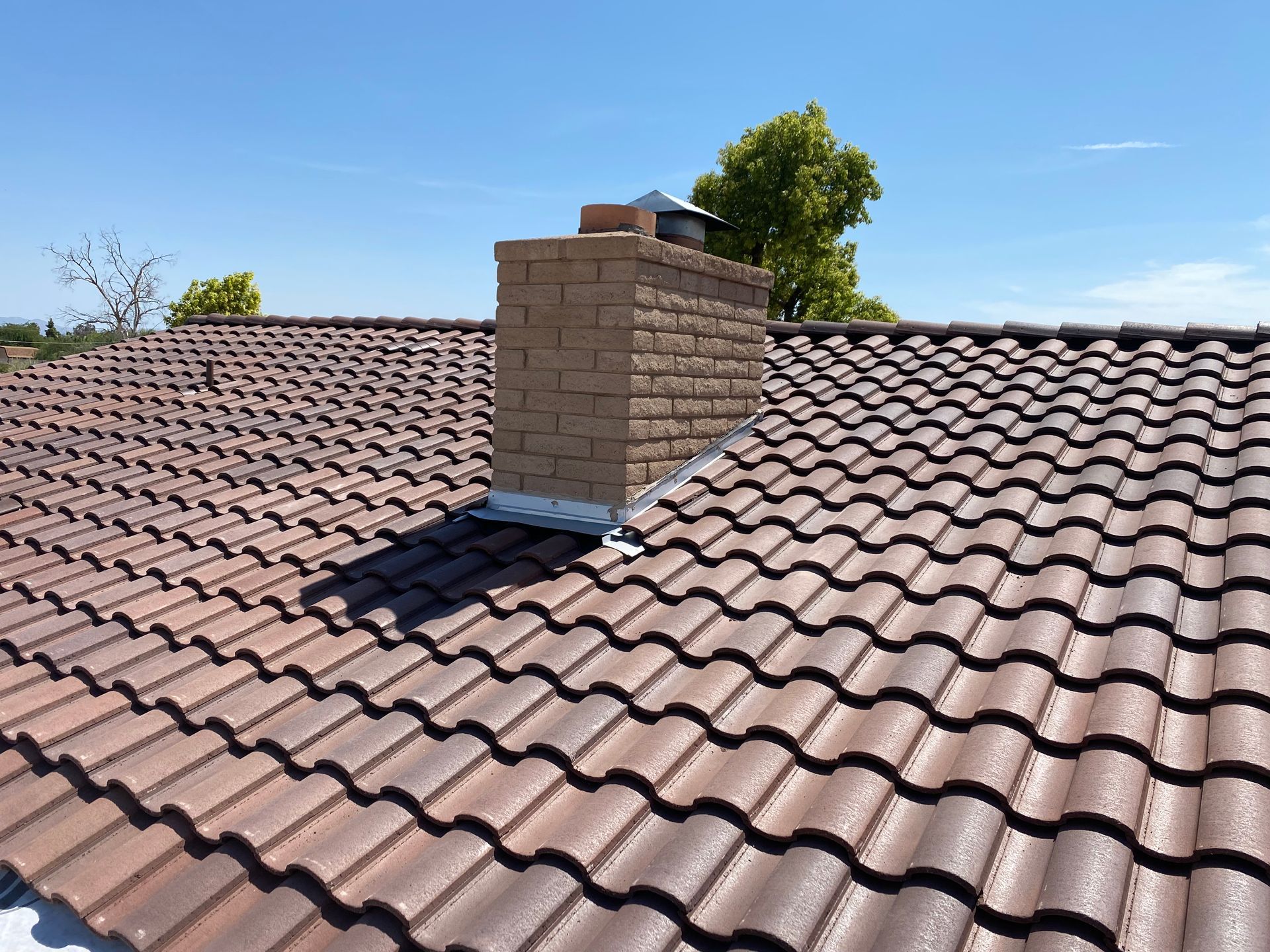
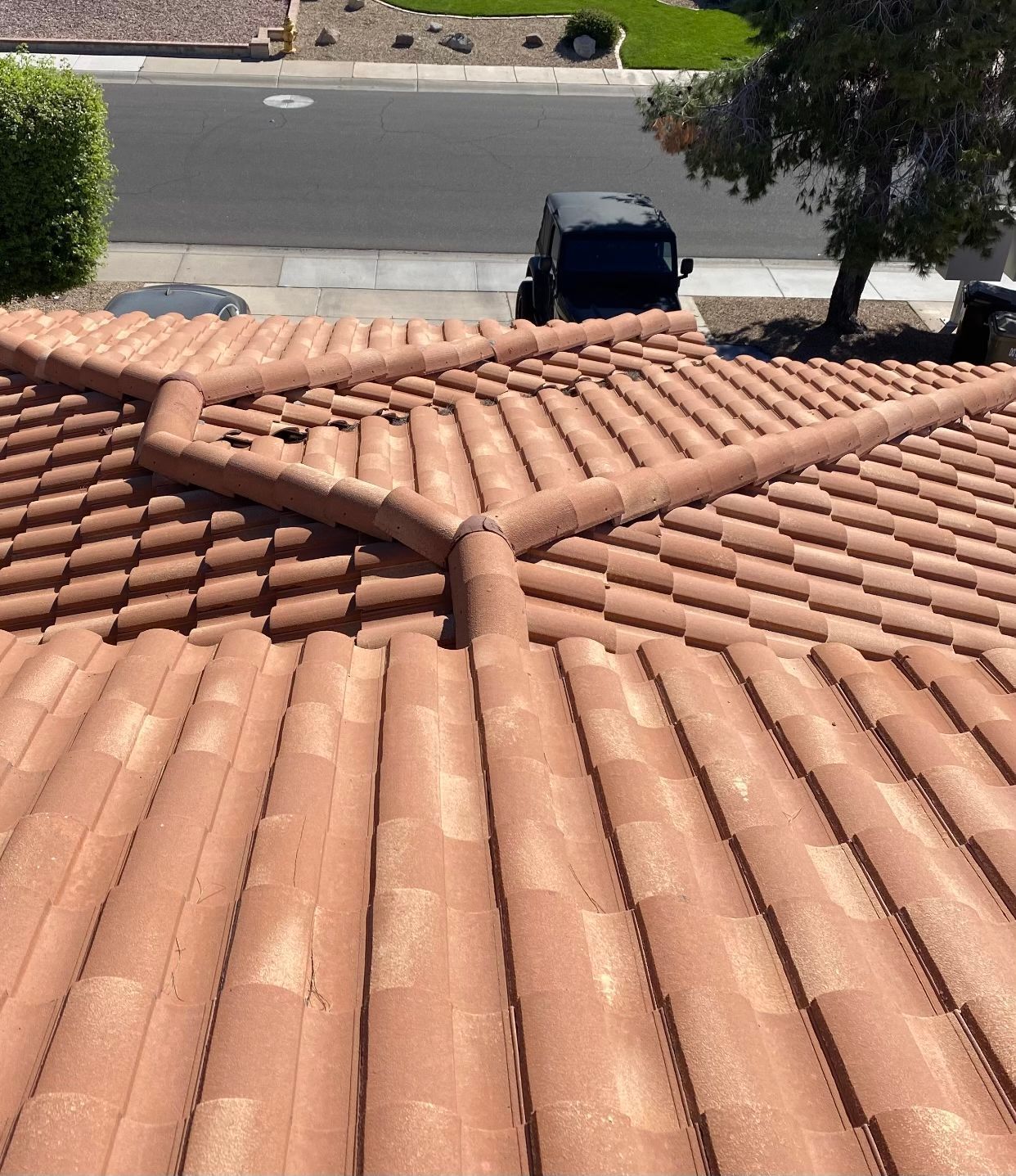
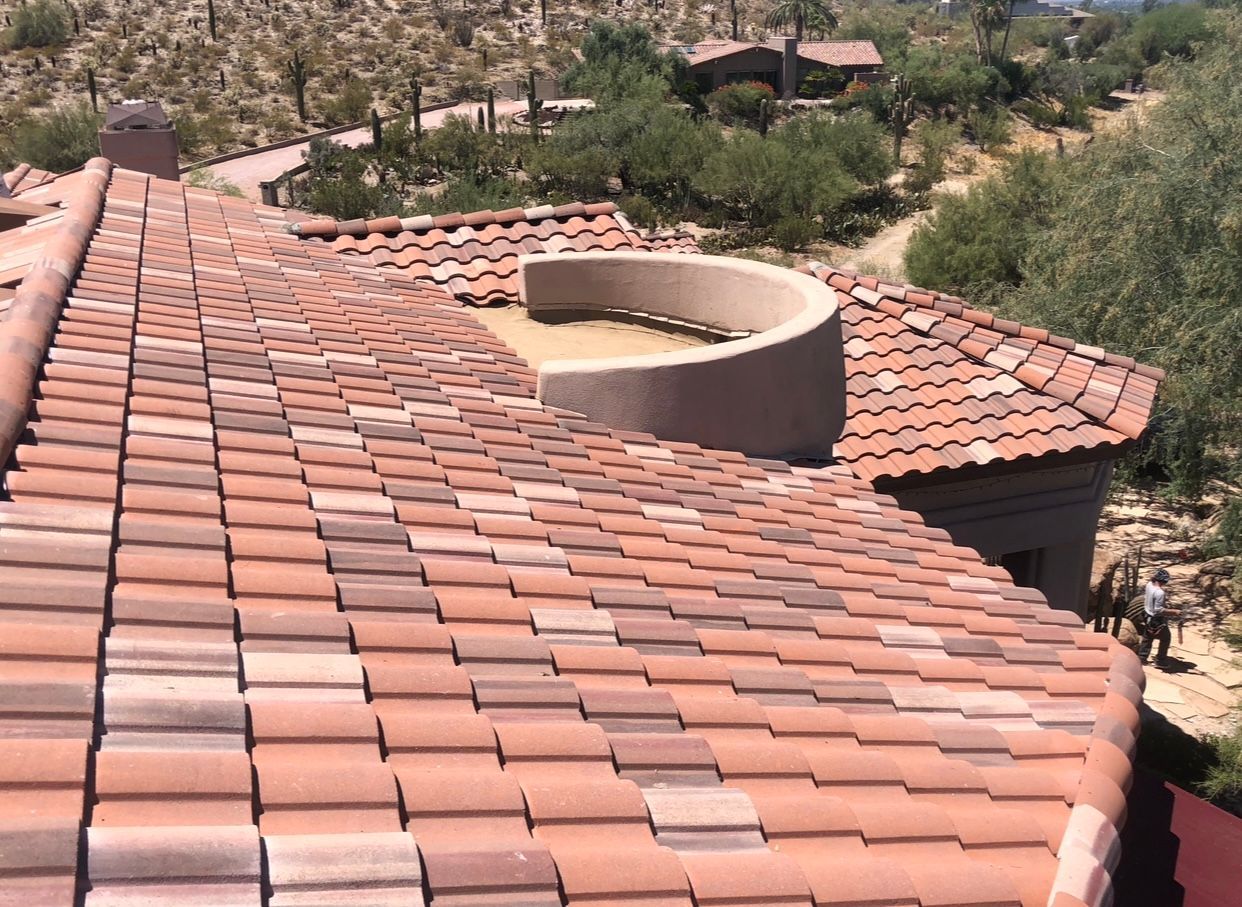
- Concrete and Clay Tiles: Capable of lasting 50 years or more, though the underlying felt paper typically requires replacement every 20 to 25 years.
From our experience, roofs that have reached or surpassed 80% of their expected manufacturer lifespan require much closer monitoring, as material failure accelerates rapidly in their final years.
Structural Sagging and Structural Compromise
A sagging roofline is an absolute emergency that demands immediate professional attention. Look at the horizontal ridge board and the general lines of your roof slopes from across the street. If you notice dip points, bowed sections, or a visible wave along the peak, your home may be suffering from structural failure.
Sagging typically occurs when chronic leaks rot the internal plywood decking, rafter boards, or ceiling joists. In other cases, improper original installation, excessive weight from multiple overlaid shingle layers, or inadequate attic ventilation weakens the supporting framing. When structural timbers absorb moisture over extended periods, they lose their strength and can no longer support heavy material loads.
What to Expect During the Roof Replacement Process
Once you decide to move forward with a full project, understanding the scope and timeline helps minimize disruption to your household routine. According to HomeGuide's roofing cost guide, replacing a residential roof typically takes between 1 and 8 days to complete, depending on factors such as overall home size, roof pitch, chosen material, and weather conditions.
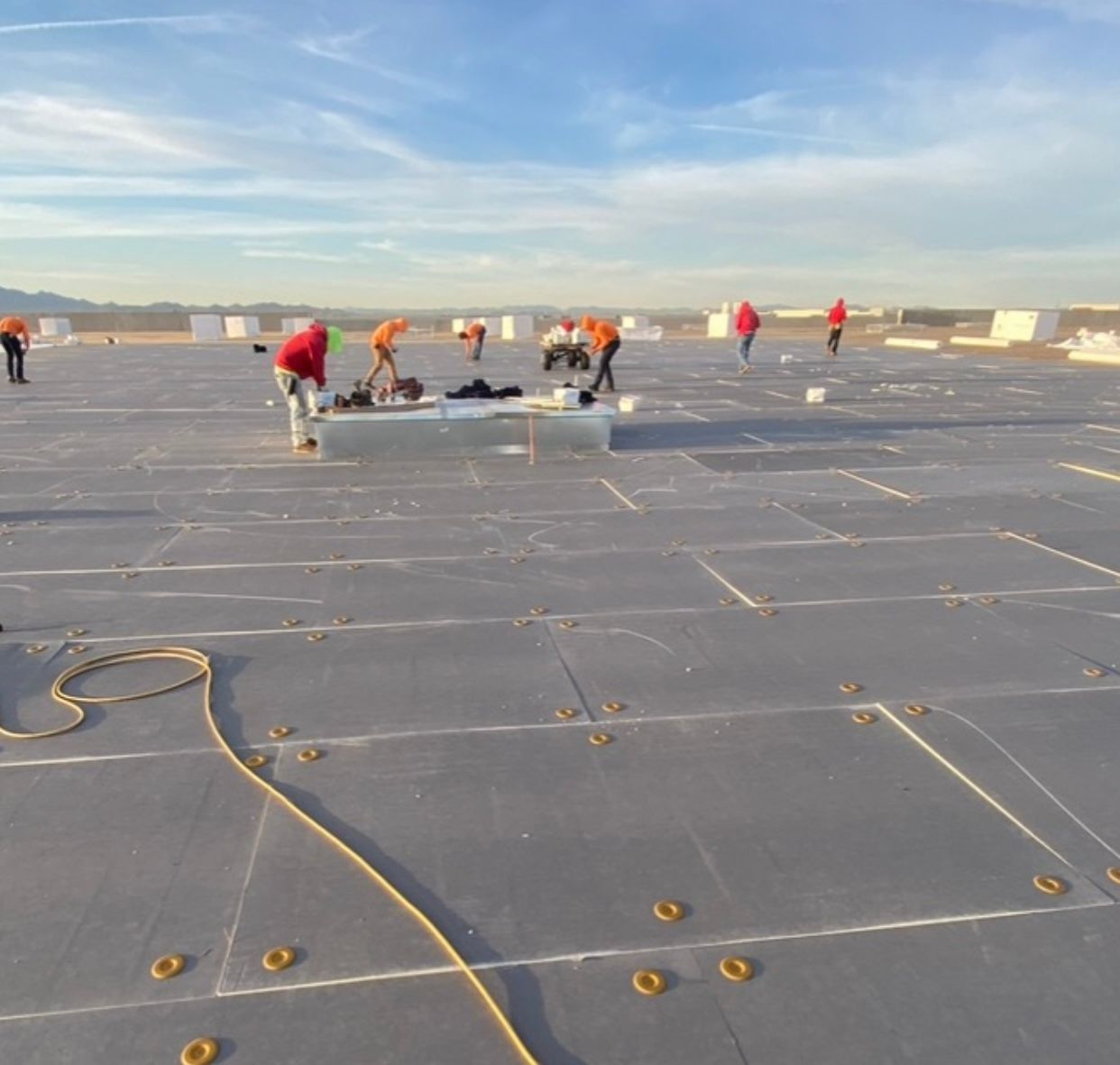
Our experts have found that standard single-family homes utilizing asphalt shingles are frequently finished within 1 to 3 days under ideal conditions. The complete roof replacement process involves stripping away old materials down to the bare wood deck, inspecting and replacing damaged plywood sheathing, installing high-performance water barriers, fitting new metal flashings, and securing your new chosen surface layer.
Protecting Your Investment with Phoenix Pro Roofing
Choosing to install a new protective cover overhead is one of the most significant maintenance investments you will make as a property owner. Selecting an experienced, licensed contractor ensures that your new system is installed according to strict manufacturer specifications and local building codes.
Phoenix Pro Roofing brings years of proven industry expertise, premium craftsmanship, and transparent communication to every project. Our dedicated team thoroughly evaluates your property's condition, guides you through modern material choices, and executes flawless installations designed to protect your home for decades. Contact Phoenix Pro Roofing today to schedule your comprehensive on-site roof inspection and receive a personalized
roof replacement quote.
Frequently Asked Questions
How do I know if my roof needs to be replaced instead of repaired?
Common signs that your roof requires a full replacement include curling or missing shingles, heavy granule loss in your gutters, water stains on your ceilings, daylight visible in the attic, or a sagging roofline. If your roof has reached 80% or more of its expected lifespan — such as 15 to 20 years for standard asphalt shingles — a replacement is usually necessary to protect your home's structure.
How long does a residential roof replacement take?
Replacing a residential roof typically takes between 1 and 8 days, depending on your home's size, roof pitch, chosen materials, and weather conditions. Standard single-family homes upgrading to asphalt shingles are frequently completed within 1 to 3 days under ideal conditions.
What roofing services does Phoenix Pro Roofing provide?
Phoenix Pro Roofing offers comprehensive residential roofing solutions, including full roof replacements, storm damage restoration, leak repairs, and assistance with insurance claims. They work with high-quality materials including asphalt architectural shingles, metal systems, and custom tile setups.