Qualities to Look For in a Local Roofing Company
Highlights
- Licensing, insurance, and local track record are the three qualities worth verifying before anything else.
- Arizona requires roofing contractors to hold a specific state license classification, and verification takes minutes.
- Storm-chasing operations follow monsoon damage, which makes established local presence a meaningful filter.
- Written estimates with itemized scope protect homeowners far better than verbal agreements.
- A quality contractor explains when repair is the better option rather than defaulting to replacement.
- Phoenix Pro Roofing serves Mesa and the surrounding Valley with licensed, insured, locally accountable crews.
Choosing a roofing contractor in the Valley is complicated by timing. Most homeowners start looking right after they discover a problem, often following a monsoon storm, which is precisely when the largest number of unfamiliar trucks are circulating through neighborhoods offering free inspections.
That pressure works against careful evaluation. The qualities that actually distinguish a reliable roofing company from a risky one are verifiable in under an hour, but only if a homeowner knows what to check and resists the urge to sign something the same afternoon.
The considerations below cover what matters most, in roughly the order worth working through them, along with the Arizona-specific factors that do not apply in other markets.
Definition: Storm chaser
A storm chaser is an out-of-area contractor who arrives following severe weather, solicits work door to door, completes projects quickly, and departs the region. Warranty claims become difficult or impossible once the operation leaves.
Verifying Licensing and Insurance First
Nothing else matters if this step fails, and Arizona makes it straightforward to check.
According to the Arizona Registrar of Contractors, roofing work falls under specific license classifications, with C-42 covering commercial roofing and R-42 covering residential, authorizing the licensee to apply, repair, or install weatherproofing and roof accessories including flashing, valleys, gravel stops, and sheet metal across tile, shingle, shake, slate, metal, and foam systems.
Ask any roofing company for its ROC license number and confirm the classification matches your project. A commercial-only classification does not cover residential work, and the state maintains a public lookup that shows status, bond, and complaint history.
Insurance is the companion check. Request certificates for general liability and workers compensation directly, and verify they are current. Without workers compensation coverage, a homeowner can face exposure if a worker is injured on their property.
According to the Federal Trade Commission, homeowners should consider only contractors who are licensed and insured, should check with state or county government to confirm a license, and should ask the contractor for proof of insurance. The FTC also flags specific warning signs, including contractors who claim to have materials left over from a previous job, who pressure for an immediate decision, who ask for full payment up front or accept only cash, and who ask the homeowner to obtain required building permits.
What Does Local Presence Actually Tell You?
A roofing company with genuine roots in the Valley differs from a temporary operation in ways that matter years later.
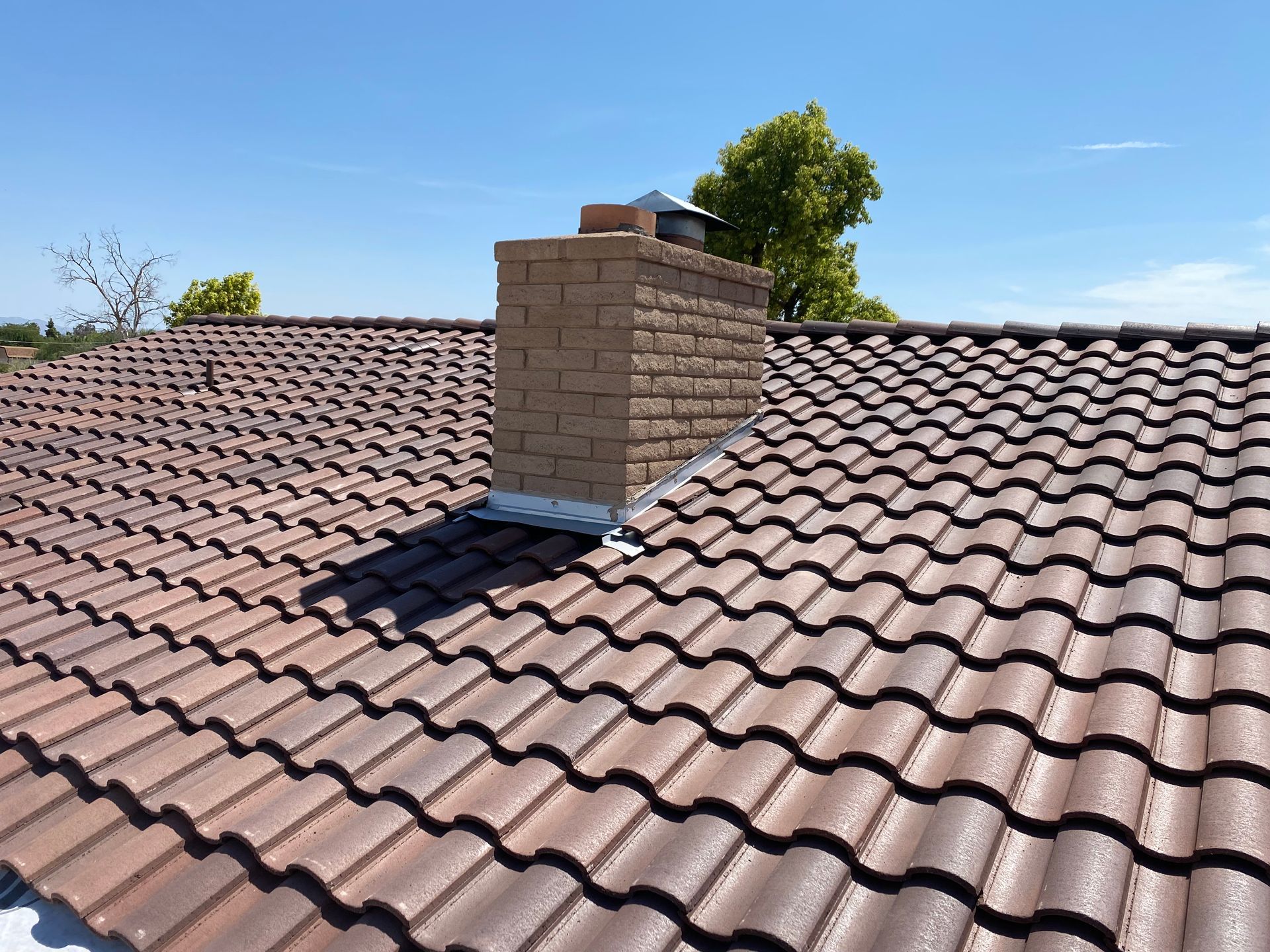
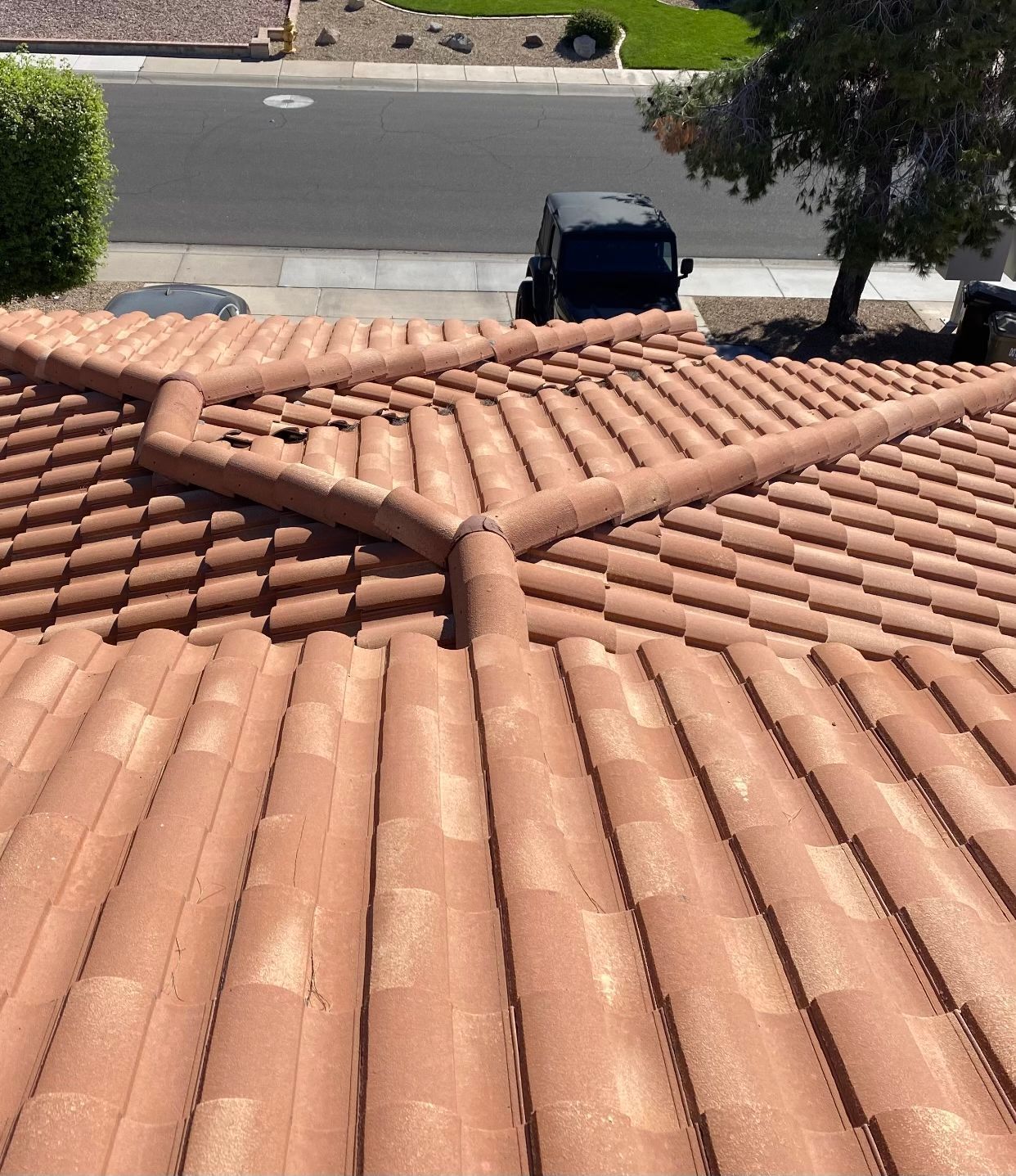
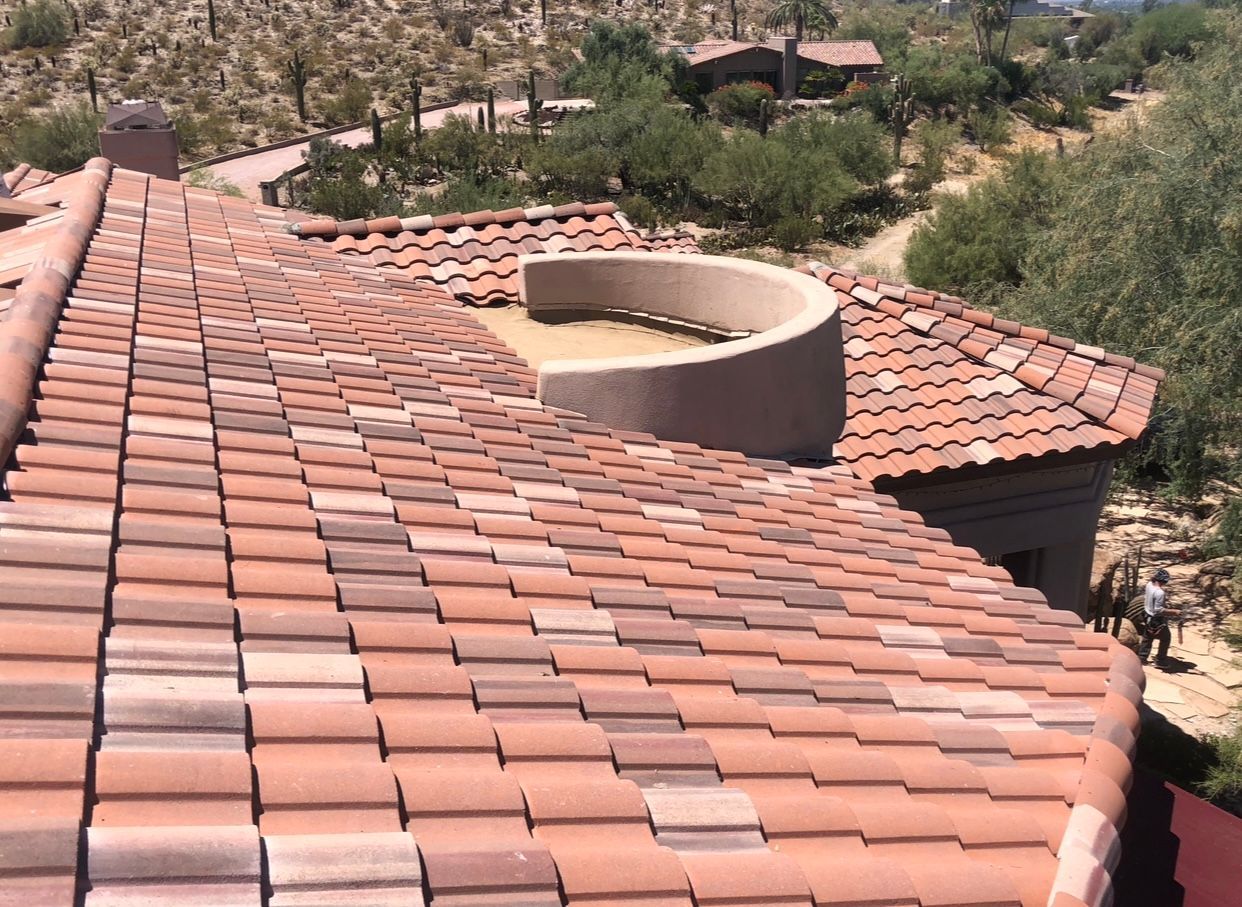
Local contractors understand what this climate does to roofing materials. Intense UV exposure degrades asphalt shingles faster here than in most of the country. Extreme heat cycles cause expansion and contraction that loosens fasteners and cracks sealant. Monsoon wind and driving rain expose flashing weaknesses that a mild climate never would. Tile roofs, common throughout Mesa and the East Valley, have underlayment lifespans that differ substantially from the tile itself.
Local presence also means accountability. A warranty is only worth the likelihood that the company will still be reachable when you need it. Ask how long the roofing company has operated in the area, request addresses of recent local projects, and check whether the business address is a physical location rather than a mailbox.
Definition: Underlayment
Underlayment is the water-resistant barrier installed between the roof deck and the visible roofing material. On tile roofs it frequently fails well before the tile does, which is why tile roof repairs often involve lifting and resetting tile rather than replacing it.
Evaluating Estimates and Communication
The estimate reveals a great deal about how a contractor operates.
A thorough proposal specifies the materials by manufacturer and product line, the scope of work including tear-off and disposal, the treatment of flashing and penetrations, underlayment specifications, the projected timeline, the payment schedule, and both the manufacturer warranty and the workmanship warranty with their respective terms.
Vague estimates create room for later disputes. A single line item reading "roof replacement" with a price attached tells you nothing about what happens when the crew finds damaged decking beneath the existing roof.
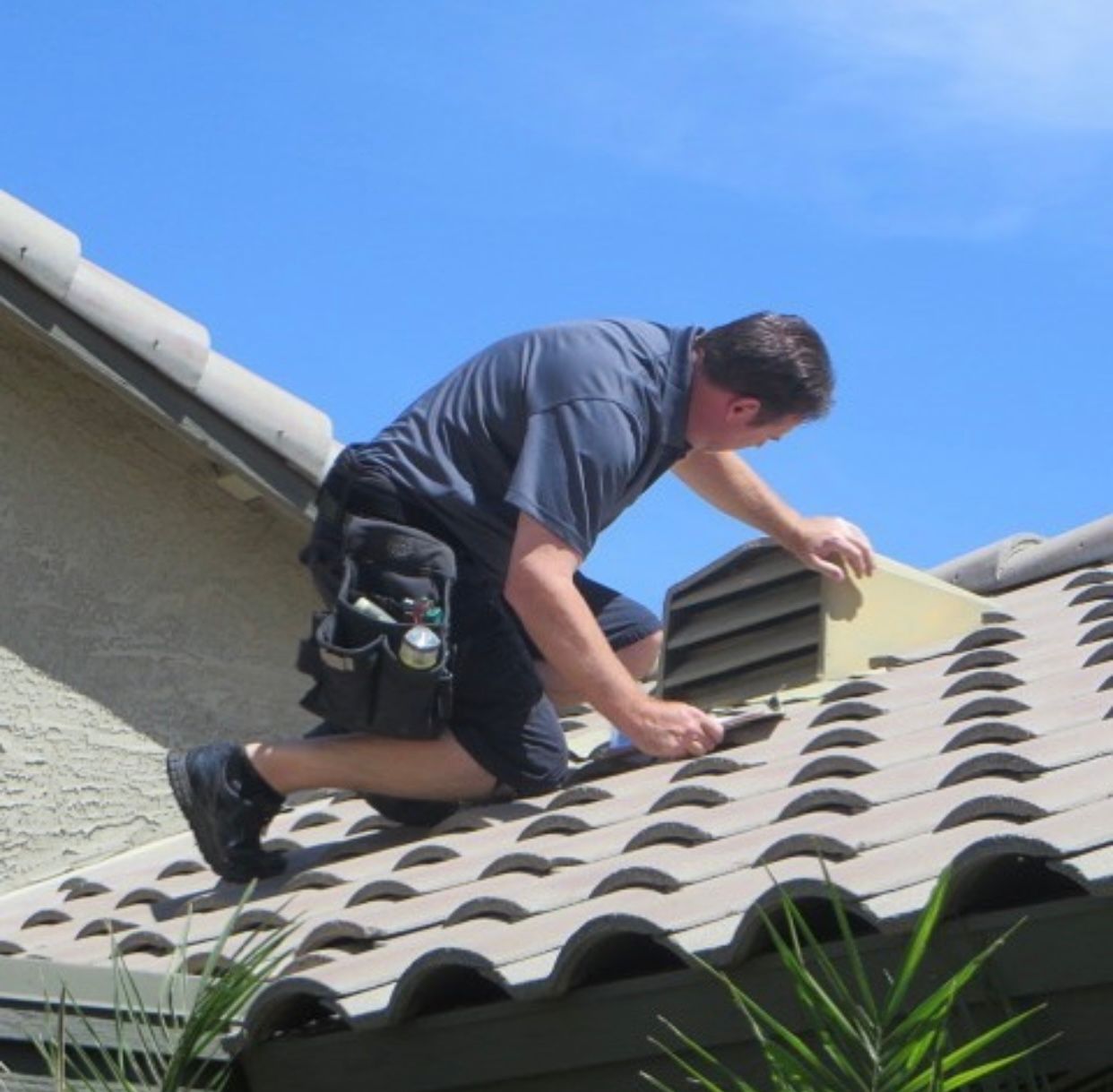
Communication during the estimate predicts communication during the project. A quality roofing company inspects thoroughly, photographs what it finds, explains the condition in plain terms, and answers questions without deflecting. Reluctance to put things in writing at this stage rarely improves later.
Recognizing Honest Assessment
One of the more telling qualities is whether a contractor will recommend the smaller job when the smaller job is right.
According to Today's Homeowner, roof repair is generally preferable when a roof is under 15 years old and the damage is minor. A roofing company that reaches for full replacement regardless of roof age or damage extent is optimizing for its own invoice rather than the homeowner's situation.
That said, repair is not always the economical choice. Widespread damage, multiple existing layers, deteriorated decking, or a roof near the end of its service life all argue for replacement. What matters is that the contractor explains the reasoning, shows you the evidence, and presents both paths with an honest cost comparison.
Insurance claim handling deserves attention here too. Experienced local contractors document damage thoroughly and work alongside adjusters. Be cautious of any operation offering to waive or absorb your deductible, which is not a favor but a practice that creates legal exposure for both parties.
Choose a Roofing Partner You Can Rely On
A roof is a long-term investment in a climate that tests materials harder than most. The qualities worth prioritizing are verifiable rather than impressionistic: an active ROC license in the correct classification, current insurance certificates, a real local history, a detailed written estimate, and a willingness to recommend repair when repair is warranted.
Phoenix Pro Roofing brings all of that to homeowners across Mesa and the wider Valley, with licensed and insured crews, detailed written proposals, and honest assessment of whether your roof needs repair or replacement. Reach out to schedule an inspection and get a clear picture of your roof's actual condition.
Frequently Asked Questions
What should you look for in a roofing contractor?
Verify an active state license in the correct classification, request current general liability and workers' compensation certificates, confirm an established local presence with recent nearby projects, and require a detailed written estimate specifying materials, scope, timeline, and warranty terms.
Should you repair or replace your roof?
Repair is generally preferable when a roof is under 15 years old and the damage is limited. Replacement makes more sense with widespread damage, deteriorated decking, multiple existing layers, or a roof near the end of its service life.
What does Phoenix Pro Roofing offer Mesa homeowners?
We provide licensed and insured crews with an established local presence, thorough documented inspections, itemized written proposals covering materials and warranty terms, and straightforward guidance on whether repair or replacement fits your situation.